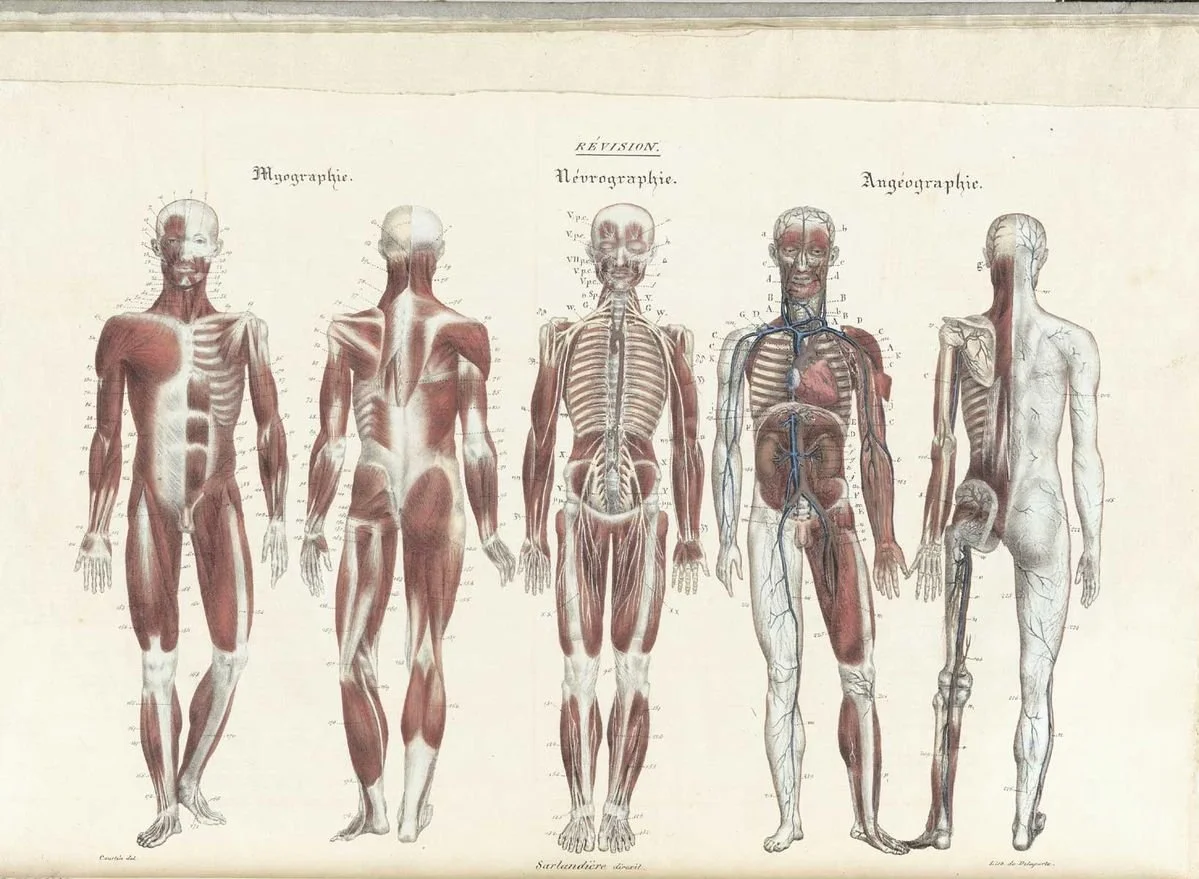
Chapter 3: MUSCLES AND THE PELVIC FLOOR
Lesson 4: The Connected Body
Putting the Pieces Together
Breathing, posture, movement, muscle activity, comfort, and emotional experience are connected in complex ways. A change in position may feel more comfortable for one person, while another may prefer stillness, support, or a different approach.
The goal is not to make a client's body behave in a particular way. It is to understand enough to offer thoughtful options, listen carefully, respect consent, and work within the doula role.
Key Takeaways
The body functions as a connected system rather than as isolated muscles.
Breathing, movement, posture, and comfort may influence one another.
There is no single ideal position or relaxation technique for every client.
A doula can offer options and observe the client's response without making medical judgments.
Collaboration with the client's healthcare team helps keep support appropriate to the situation.
Study Tool: The Connected Body Case Study
Scenario: A client in labor says their hips feel uncomfortable in their current position. They appear tense and say they are tired of being told to breathe.
Consider these questions:
How could you acknowledge the client's discomfort?
What choices could you offer without pressuring them?
How would you ask permission before suggesting touch or movement?
What would you do if the discomfort were new, severe, worsening, or accompanied by another concerning symptom?
How could you communicate with the care team while respecting the client's preferences?
Practice goal: Respond with curiosity and support rather than assuming you know what the client's body needs.
Keep Learning
Recommended resource: Pelvic Floor Muscles and Breathing — Aneurin Bevan University Health Board
Explore the relationship between breathing and pelvic floor awareness. Use this as background education, not as a treatment plan or a set of exercises to prescribe to clients.
Additional reading: Physical Activity During Pregnancy and the Postpartum Period — ACOG
This resource offers additional context on movement and physical activity across pregnancy and postpartum.
Study Flashcards
Suggested Quizlet set: The Connected Body — Doula Review
Include:
Body awareness
Breathing and movement
Posture
Positioning
Comfort measures
Consent
Scope of practice
Referral
Client-centered support
Interprofessional collaboration
Study challenge: For each term, describe one practical example of how it could influence your support without turning the concept into a medical recommendation.
Final Chapter Knowledge Check
Name three body systems or muscle groups discussed in this chapter.
Explain one basic function of the pelvic floor.
Why is the ability to relax relevant to muscle function?
Give two examples of comfort measures that can be offered with consent.
What is the difference between providing doula support and providing clinical assessment or treatment?
When should a doula communicate a concern to the client's qualified care team?
Final Reflection: From Knowledge to Practice
Complete these sentences in your study journal:
One concept I understand more clearly now is…
One thing I want to learn more about is…
One way I can offer more individualized support is…
One situation in which I would seek guidance or refer a client is…
One reminder I want to carry into my next birth is…
Chapter Completion
You have completed Chapter 3: Muscles and the Pelvic Floor.
The goal is not to memorize every detail of anatomy. It is to build a foundation that helps you support clients with greater awareness, confidence, humility, and respect.
Continue to the next chapter when you are ready.
A Note About Educational Scope
Hosanna Doula Academy provides educational resources for doulas. This material is not a substitute for clinical education, medical advice, diagnosis, or treatment. Doulas should work within their training, follow applicable professional standards, and refer clinical questions or concerning symptoms to qualified healthcare professionals.